



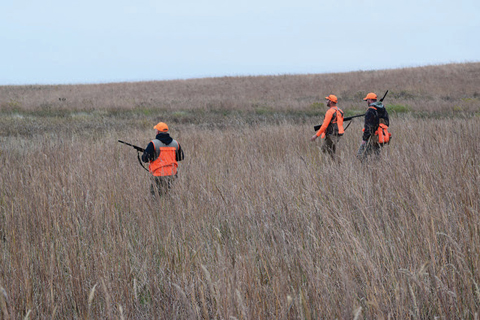
DES MOINES — Iowa’s 2026 pheasant season should be another good year for hunters following on the heels of 2025 season that saw an estimated 68,000 hunters harvest more than 500,000 roosters.
“We had the second highest August roadside counts since 2015, but did see our counts drop in the eastern third of the state,” said Todd Bogenschutz, upland wildlife biologist with the Iowa Department of Natural Resources (DNR). “Data showed we had a lot of hens re-nesting in the eastern third, leading to later hatches. These young pheasants won’t likely have their adult colors by the time the season opens, but should by early December.”
The annual August statewide pheasant survey averaged 23 birds per route this year. Iowa’s pheasant season opens statewide Oct. 31.
“West of I-35, primarily west central, north central and the northwest regions, it will be similar to last year, which was pretty good,” Bogenschutz said.
The combination of weather and habitat are two main drivers of Iowa’s pheasant population and last year, most of the state experienced a normal winter, followed by a wetter and warmer than normal spring.
“We had good counts come in from across the state where we had good habitat and good winter and spring conditions,” Bogenschutz said. Good hunting can be found in other regions where quality pheasant habitat exists, he said.
Rainfall delays spring nesting, August population survey, fall harvest
Rainfall from spring through the fall has played a role in Iowa’s pheasant season, ranging from impacting nesting in May and June, to delaying population survey in August and possibly the crop harvest this fall.
The near record rainfall in September has delayed harvest across much of the state, which could benefit pheasant hunters. Harvest after the season opens will concentrate birds in prairies and CRP fields and other upland habitat, as the crops come out.
Hunters should be aware that fewer acres enrolled in the popular Iowa Habitat and Access Program, or IHAP, will be available to hunt this fall, and are encouraged check its status on the Iowa Hunting Atlas at www.iowadnr.gov before opening weekend. Roughly 10,000 acres, or about one-third of the total IHAP acres, have exited the program and is no longer open to public access.
Low CRP rental rates are often cited as the reason to exit the program and to return to crop production. CRP rental rates are tied to the Farm Bill which continues to operate under an extension from 2018.
The DNR received $3 million in 2026 to spend on the program over the next three years, and much of that funding will be spent in offers to interested landowners.

